Planting Tips

Planting A Hedge

A guide for planting a native hedge. Whether you’re creating shelter from wind, adding privacy, or supporting local wildlife, native plants are a practical, reliable choice suited to our conditions. From hardy coastal species to evergreen varieties, natives generally need less maintenance once established and provide year-round structure.
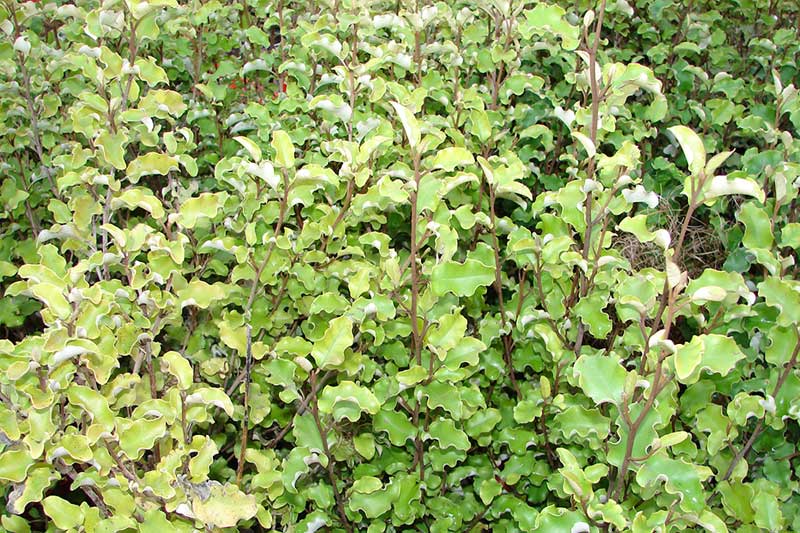
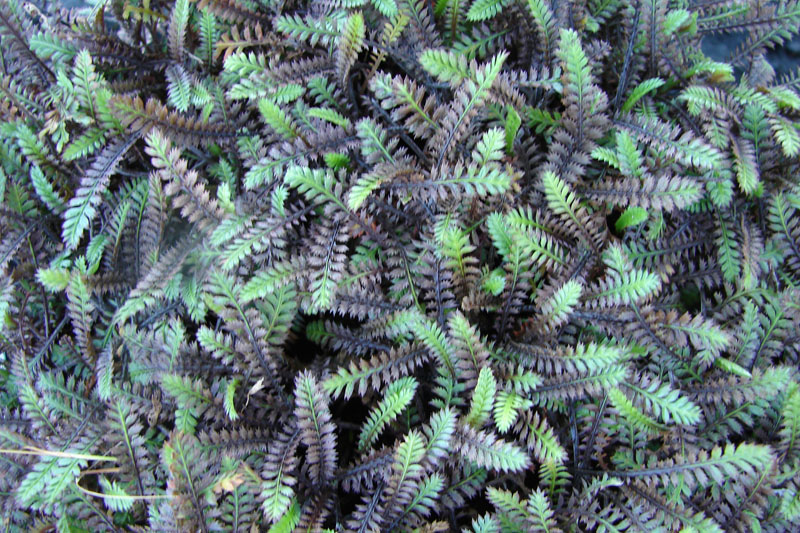
  • Hedges offer many advantages over traditional fences.

    • Provide privacy and wind protection

    • Create habitat for wildlife

    • Add seasonal colour and natural beauty

    • Divide garden spaces naturally

    • Can be trimmed to adjust height and shape

    Unlike a fence, a hedge is a living feature that grows and evolves with your garden.

  • A hedgerow is a living fence made from trees or shrubs planted in a row. Hedges can provide privacy, define garden spaces, and protect properties from wind while also creating valuable habitat for birds, insects, and lizards. Unlike a traditional fence, a hedge grows and changes with the seasons, adding beauty, life, and character to your garden.

    With the right plant selection and basic care, hedges are easy to establish and maintain. A well-grown hedge can increase property value, improve shelter, and become one of the most attractive living features in your landscape.

  • Brachyglottis greyii

  • Brachyglottis monroi

  • Coprosma repens cultivars

  • Corokia ‘Geentys Green’

  • Corokia ‘Geentys Ghost’

  • Corokia ‘Silver Ghost’

  • Corokia virgata

  • Hebe albicans

  • Hebe buchananii

  • Hebe diosmifolia

  • Hebe ‘Emerald Gem’

  • Hebe ‘Inspiration’

  • Hebe ‘MacEwanii’

  • Hebe odora

  • Hebe pinguifolia

  • Hebe pinguifolia var. sutherlandii

  • Hebe recurva

  • Hebe ‘Red Edge’

  • Hebe topiaria

  • Hebe townsonii

  • Hebe ‘Wiri Cloud’

  • Hebe ‘Wiri Dawn’

  • Hebe ‘Wiri Mist’

  • Hebe ‘Wiri Splash’

  • Olearia ilicifolia x moschata

  • Pittosporum ‘Pom Pom’

  • Pittosporum ‘Tom Thumb’

  • Podocarpus nivalis


  • Brachyglottis repanda

  • Brachyglottis repanda ‘Purpurea’

  • Coprosma propinqua

  • Coprosma repens

  • Coprosma robusta

  • Coprosma rugosa

  • Corokia ‘Bronze Knight’

  • Corokia buddlejioides

  • Corokia cotoneaster

  • Corokia ‘Frosted Chocolate’

  • Corokia x virgata ‘Cheesemanii’

  • Dodonaea viscosa

  • Dodonaea viscosa ‘Purpurea’

  • Griselinia littoralis and cultivars

  • Kunzea species

  • Leptospermum scoparium and cultivars

  • Lophomyrtus bullata

  • Lophomyrtus obcordata

  • Lophomyrtus x ralphii and cultivars

  • Metrosideros excelsa and cultivars

  • Metrosideros kermadecensis ‘Variegata’

  • Metrosideros umbellata and cultivars

  • Myrsine australis

  • Fuscospora fusca

  • Olearia cheesemanii

  • Olearia ‘Dartonii’

  • Olearia macrodonta

  • Olearia paniculata

  • Olearia solandri

  • Olearia traversii

  • Pittosporum eugenioides and cultivars

  • Pittosporum tenuifolium and cultivars

  • Plagianthus divaricatus (deciduous)

  • Podocarpus acutifolius

  • Podocarpus totara

  • Podocarpus totara ‘Aureus’

Regular pruning keeps hedges healthy and full.

  • Prune once or twice per year for general maintenance

  • Early spring and late summer are ideal times

  • Light trimming throughout the growing season can create a denser hedge

Pruning encourages new growth and helps maintain the desired shape.

Planting-a-hedge-tips